My Journey into the World of Lightning Earbuds
Remember when Apple dropped the 3.5mm headphone jack from the iPhone 7? It was quite a moment, wasn't it? I recall the uproar and the immediate questions that followed. What would we use? How would we charge our phones and listen to music simultaneously? Well, one of the immediate answers, and arguably the most prominent alongside Bluetooth, came in the form of Lightning earbuds. For a lot of us, it was a brand new concept; a digital connection for our audio, directly through the very same port we used to charge our devices. It felt like a significant shift, and I've spent a good amount of time exploring what these little audio companions truly mean for us.
When these first came out, I was pretty skeptical, just like many others. We were all so used to that familiar circular jack. But Apple's move really pushed the industry forward in some ways, whether you loved it or hated it. This article is all about diving deep into Lightning earbuds – how they work, what makes them tick, their pros and cons, and where they stand in today's ever-evolving audio landscape, especially as we see the transition to USB-C on the horizon.
What Exactly Are Lightning Earbuds?
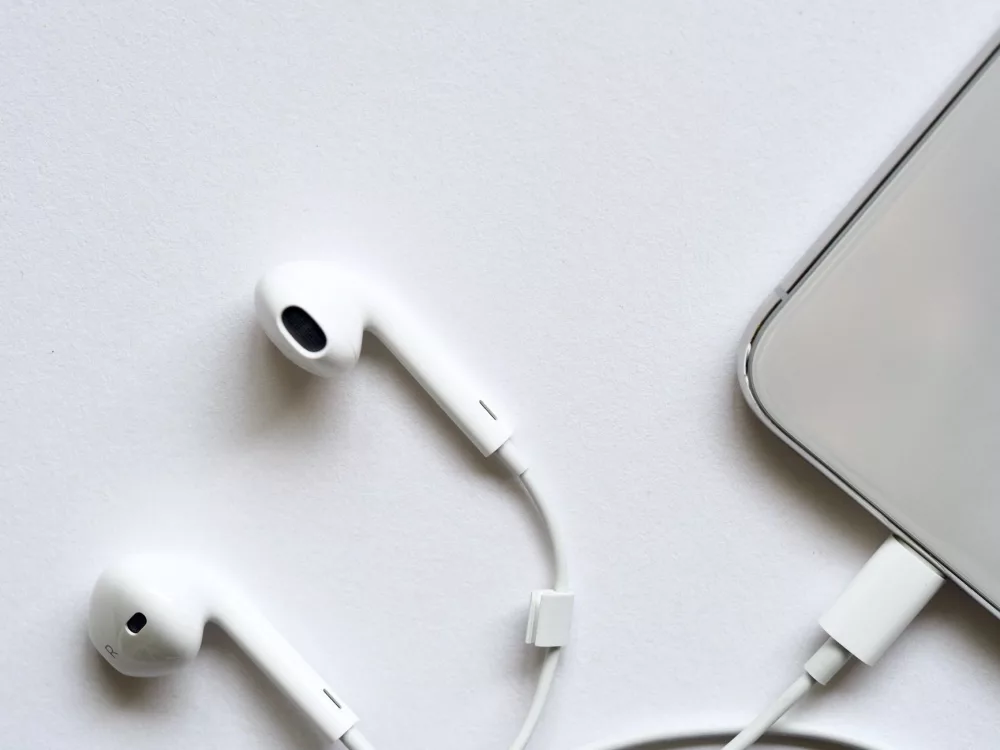
At their core, Lightning earbuds are audio accessories that connect to your Apple device (iPhone, iPad, or iPod Touch) via the proprietary Lightning port. Unlike traditional 3.5mm headphones, which use an analog audio signal, Lightning earbuds transmit a digital audio signal. This is a crucial distinction, and it's something I think many people overlook when they first consider these devices.
Think of it like this: A standard 3.5mm jack receives an already-processed analog sound wave from your phone. But with Lightning, the digital audio data leaves your phone and only gets converted into an analog signal *inside* the earbuds themselves. How does this magic happen? Well, that's where some clever tech comes in.
The Tech Inside: DACs and Amplifiers
For audio to be played through speakers or earbuds, that digital signal has to be converted back into an analog waveform. In the case of Lightning earbuds, this conversion happens right there, in the earpiece or in a small housing along the cable. Each pair of Lightning earbuds has a tiny but mighty Digital-to-Analog Converter (DAC) built right into it. Some also include a small amplifier. This means that the earbuds aren't just passive speakers; they're active components doing some serious work.
This internal DAC is actually a big deal, and it's one of the reasons I believe Lightning audio can sometimes sound really good. The quality of the DAC and amplifier can vary from one earbud model to another, even impacting the overall sound signature. It’s not just your phone doing all the heavy lifting; the earbuds themselves play a critical role in shaping the audio you hear.
The Advantages I've Noticed
When you shift to a digital audio connection, you open up some interesting possibilities. I've found a few key benefits that make Lightning earbuds quite compelling for certain users.
- Potentially Better Sound Quality: Because the digital signal is converted outside the phone, earbud manufacturers can integrate higher-quality DACs and amplifiers than what might be standard in the phone's built-in components. This *can* lead to cleaner, more precise audio, though I'll admit, it's not always a dramatic difference for the average listener. Still, the potential is there.
- Power for Advanced Features: The Lightning port can supply power. This isn't just for charging, it's also for powering features within the earbuds themselves. I'm talking about things like active noise cancellation (ANC), advanced equalization, or even integrated health sensors. This power delivery capability is something a simple analog jack just can't offer.
- Simplified Port Usage (for some): For those who only carry an iPhone and don't need to charge and listen simultaneously very often, having one port for everything can be neat. It reduces clutter in your bag or pocket. I've heard people say they appreciate the single-port simplicity, even if others find it restrictive.
- Seamless iOS Integration: Lightning earbuds are built specifically for Apple's ecosystem. This means they often offer effortless plug-and-play functionality, sometimes even with on-screen prompts or tighter integration with Siri and other iOS features. You just plug 'em in, and they usually just work, which I find convenient.
Some Downsides and My Reservations
Of course, no technology is perfect, and Lightning earbuds definitely come with their own set of drawbacks. These are the things I often hear complaints about, and I certainly share some of these frustrations.
- The Charging Conundrum: This is probably the biggest and most frequent complaint I encounter. If your phone only has one Lightning port, you can't charge your device and listen to wired audio at the same time without a clunky adapter. I've definitely been caught out with a low battery, wishing I had a way to do both. It's a real pain point for many of us.
- Limited Compatibility: Lightning is Apple's proprietary standard. This means your expensive Lightning earbuds are pretty much useless with non-Apple devices – Android phones, Windows laptops, or even many older MacBooks. They're locked into the Apple ecosystem, and that can be a real bummer if you use multiple platforms.
- Cost: While Apple's own EarPods aren't overly expensive, third-party Lightning earbuds that offer more advanced features can sometimes cost a bit more than their 3.5mm or even Bluetooth counterparts due to the licensing and the integrated DAC/amp.
- Durability Concerns: Some users, myself included, have found that the Lightning connector itself can be a point of failure over time, especially with frequent plugging and unplugging. It's a more complex connector than the robust 3.5mm jack.
Who Makes Lightning Earbuds?
When you think of Lightning earbuds, the first thing that probably comes to mind is Apple's own EarPods. These are often bundled with iPhones (they used to be, anyway!) and are a basic, reliable option for many. But the market isn't just limited to Apple. I've seen quite a few other brands jump into the fray, creating some really interesting alternatives:
- Apple EarPods with Lightning Connector: These are the standard, familiar white earbuds. They're decent for everyday listening, incredibly lightweight, and integrate perfectly with iOS controls.
- Belkin SoundForm Freedom True Wireless Earbuds (with Lightning option): While primarily wireless, Belkin has offered wired Lightning options in the past, focusing on robust build and decent audio.
- JBL Reflect Aware: These were some of the early pioneers, offering active noise cancellation powered directly by the Lightning port. I always found that to be a really cool feature, eliminating the need for bulky battery packs.
- Audeze Sine/EL-8 Titanium: On the higher end, companies like Audeze produced audiophile-grade Lightning headphones, showcasing the potential for incredible sound quality when you put a great DAC and amp in the mix.
The variety shows that there was, and still is, a definite market for these, even if Bluetooth has largely taken over the mainstream.
The Future: USB-C's Ascendancy
Now, as we look to the future, it's hard to talk about Lightning without acknowledging the elephant in the room: USB-C. With recent regulations and Apple's move to USB-C on the iPhone 15 series and many iPads, the era of Lightning as the sole connector for iPhones is slowly drawing to a close. This means that the long-term viability of *new* Lightning earbud products will likely diminish significantly.
For me, this shift makes a lot of sense from a universal compatibility standpoint. USB-C is a fantastic, versatile standard. However, it does mean that anyone who has invested in Lightning audio accessories might find them becoming obsolete as they upgrade their devices. It's a natural progression of technology, but it's something I keep in mind when considering new purchases.
So, while Lightning earbuds had their moment in the sun, especially during the transition from the 3.5mm jack, their reign is clearly nearing its end. They were an innovative, sometimes frustrating, but always interesting part of the audio landscape. I appreciate what they brought to the table in terms of digital audio possibilities, even as I welcome the broader adoption of USB-C for its universal appeal.