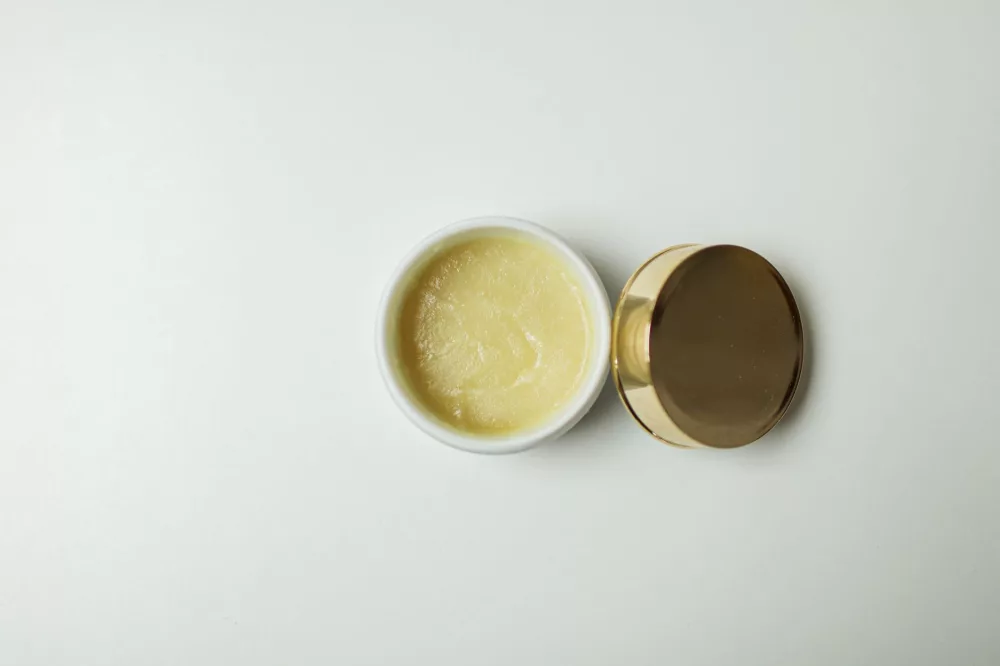
You know, lately, I've been noticing this fascinating pendulum swing in the world of skincare. One minute, it's all about cutting-edge bio-engineered compounds promising to turn back time, and the next, we're casting our gaze back to ingredients our ancestors might've scoffed at us for abandoning. And right now, sitting squarely in that 'back to basics' spotlight, is beef tallow. If you'd told me a few years ago that I'd be championing rendered animal fat for my skin, I probably would've raised an eyebrow, maybe two! But I've been genuinely captivated by what I've learned and experienced, and I'm eager to share why this traditional ingredient is making such a compelling comeback.
A Brief History: Tallow's Ancient Roots in Skincare
It isn't some new-fangled discovery, you see. For millennia, cultures across the globe have utilized animal fats, including tallow, for a surprising array of purposes – not just cooking, but also as a primary ingredient in salves, balms, and soaps. Think about it: before sophisticated chemical engineering gave us petroleum jelly or synthetic emollients, people relied on what was readily available and effective. Animal fats, like tallow, were foundational. They were used to protect skin from harsh elements, soothe irritation, and keep it soft and supple. There's a certain wisdom in these time-tested methods, isn't there? My own grandmother used a simple lard-based soap, and her skin, even in her later years, was remarkably soft. It makes you wonder what we've traded away in our pursuit of modernity.
What Exactly is Tallow, Anyway?
At its core, beef tallow is rendered beef fat. Simple as that. The rendering process involves slowly melting down the raw fat, separating out any impurities, and then allowing it to cool and solidify. What you're left with is a pure, stable, and remarkably rich substance. The quality, as with anything, varies tremendously. For skincare, I've found that grass-fed, pasture-raised beef tallow is generally considered superior. Why? Because the animal's diet directly impacts the nutritional profile of its fat, and consequently, the benefits it can offer our skin. It's an important distinction that I think gets overlooked sometimes.
The Science Behind the Suppleness: Why Tallow Works Wonders
This is where it gets really interesting for me. Tallow isn't just a basic moisturizer; its composition is surprisingly complex and, dare I say, incredibly compatible with human skin. It's a bit like finding the perfect puzzle piece.
Fatty Acid Harmony
Our skin's natural barrier is composed of a delicate balance of lipids, and guess what? Tallow's fatty acid profile mirrors this composition remarkably well. It contains:
- Oleic Acid: A monounsaturated omega-9 fatty acid, also found in olive oil. It helps maintain the softness and suppleness of the skin, and it's great for penetration, meaning it can help other beneficial compounds get where they need to go.
- Stearic Acid: A saturated fatty acid that acts as a protective barrier, locking in moisture and aiding in skin repair. It gives tallow its solid, creamy texture.
- Palmitic Acid: Another saturated fatty acid, it's a major component of our skin's protective barrier. It's excellent for overall skin health and repair.
- Conjugated Linoleic Acid (CLA): While present in smaller amounts, CLA is a potent anti-inflammatory compound that's pretty unique to animal fats from grass-fed sources.
The synergy of these fatty acids means tallow isn't just sitting on top of your skin; it's working with your skin's natural biology. I've personally noticed how quickly my skin absorbs it without feeling greasy, a common complaint with many heavy moisturizers.
A Vitamin Powerhouse
Beyond the fatty acids, good quality tallow is a natural reservoir of fat-soluble vitamins, which are crucial for skin health:
- Vitamin A (Retinol): Essential for cell regeneration, collagen production, and maintaining a healthy complexion. It's the natural form of what many skincare products try to synthesize.
- Vitamin D: Important for skin cell growth and repair, and it has anti-inflammatory properties.
- Vitamin E: A powerful antioxidant that helps protect skin cells from damage caused by free radicals and supports healing.
- Vitamin K: Contributes to skin elasticity and can assist in reducing the appearance of dark circles and bruising.
It's like getting a multivitamin for your skin, directly from nature. When I think about it, trying to piece together all these benefits from separate synthetic ingredients seems far less elegant than just using something naturally abundant in them.
"The skin-identical lipid profile of beef tallow makes it an exceptional emollient, offering deep nourishment and barrier repair that synthetic alternatives often struggle to replicate." - A dermatologist's observation I once read, and it really stuck with me.
Practical Applications: How to Incorporate Tallow into Your Routine
Okay, so you're intrigued. How do you actually use this stuff without feeling like you're rubbing a steak on your face? It's much simpler than you might imagine.
Choosing Your Tallow
As I mentioned, sourcing is key. Look for organic, grass-fed, and pasture-raised beef tallow. It can come unrefined (which might have a slight, natural scent) or refined (usually odorless). For my facial use, I prefer a very well-rendered, often refined product, but for body balms, a slight natural scent doesn't bother me a bit.
Ways to Use It
- Facial Moisturizer: A tiny pea-sized amount is often all you need. Warm it between your fingertips and gently press it onto your damp face after cleansing. It's fantastic for dry, sensitive, or mature skin. I find it creates a lovely, dewy finish.
- Body Balm: For areas prone to dryness, like elbows, knees, or feet, tallow works wonders. It seals in moisture incredibly effectively.
- Lip Balm: Pure tallow makes an excellent, long-lasting lip balm.
- Healing Salve: For minor cuts, scrapes, or chapped skin, its healing properties are truly noticeable. I've used it on small irritations, and it seems to calm everything down quickly.
- Makeup Remover: Believe it or not, it can gently dissolve makeup, even waterproof mascara, while simultaneously nourishing the skin around your eyes.
One common concern I've encountered is about clogging pores. Interestingly, tallow is considered non-comedogenic for most people. Its composition is so similar to our skin's sebum that it tends to integrate rather than block. Of course, everyone's skin is unique, so patch testing is always a smart move, especially if you're prone to breakouts.
My Final Thoughts on This Ancient Skincare Secret
Embracing beef tallow for my skin has been an interesting journey. It's a reminder that sometimes the best solutions aren't the ones in the flashiest packaging or with the most complex chemical names. Sometimes, they're the simple, foundational ingredients that have served humanity well for centuries. It's sustainable, often locally sourced, and profoundly effective. If you're looking to simplify your skincare routine, nourish your skin deeply, and perhaps reconnect with a more traditional approach, I genuinely encourage you to explore the world of high-quality beef tallow. You might just be as pleasantly surprised as I've been!